One Plan, Two Roofs
Each roof type gets prepped correctly in the same visit, with one schedule for the whole property.

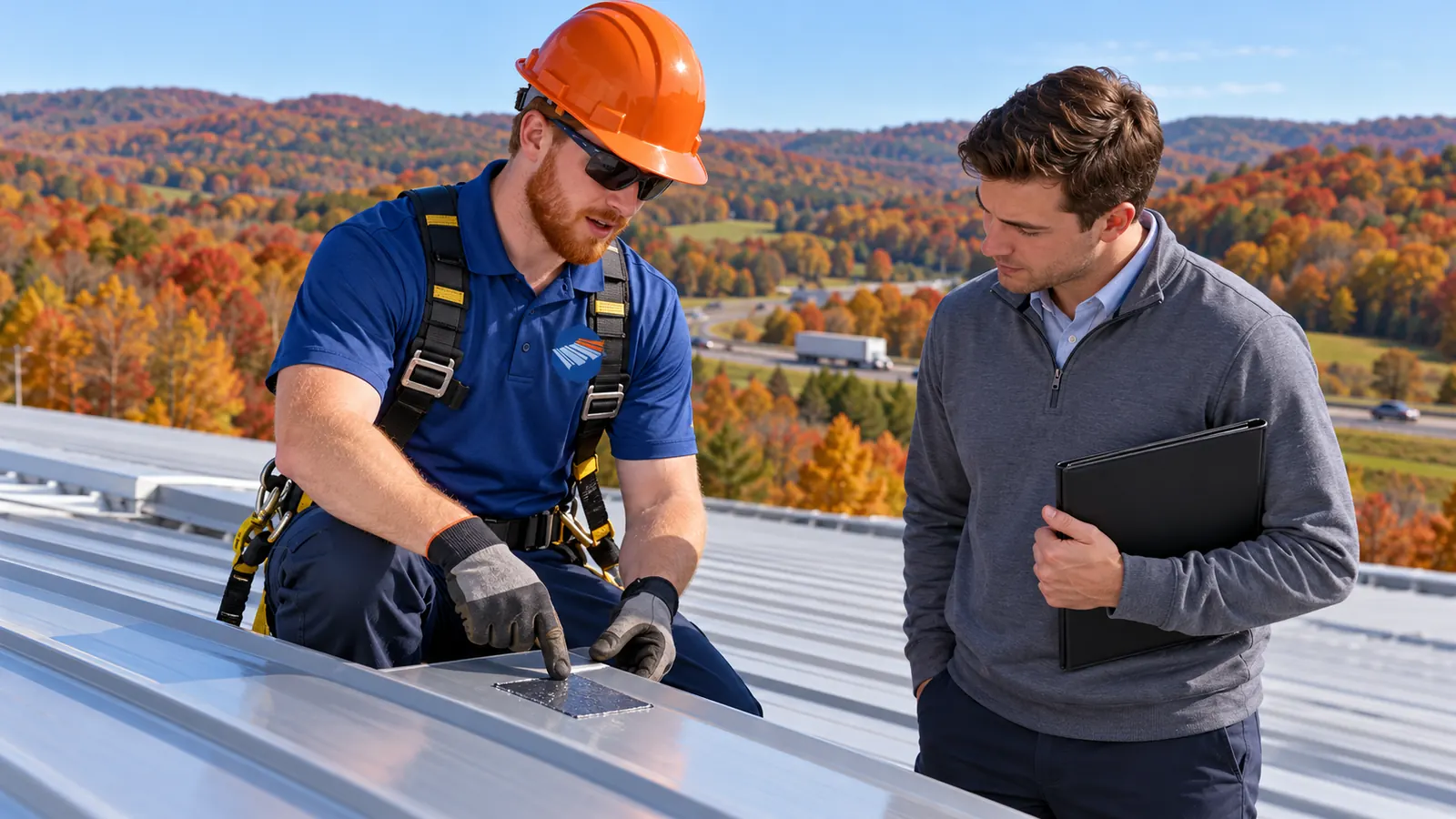
We provide Cecilia metal roof coating for commercial properties. First we sort each roof on the property by panel type, then prep the standing seam and screw-down sections the way each needs.
Many properties around Cecilia carry two kinds of metal: standing seam on an office or newer building, and screw-down panels on the shop or farm building next to it.
Each gets prepped differently. Standing seam needs attention at seam ends and penetrations; screw-down roofs need every screw and lap handled.
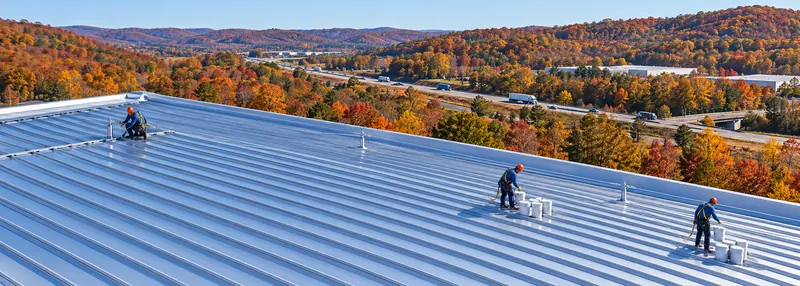
Mixed properties put different problems side by side. These are the ones we sort on a Cecilia roof walk.
Water gets in at the ends of standing seams and around pipe flashings. Those spots get reinforcement while the clips stay free to move.
Exposed-fastener shop roofs leak at screws, end laps, and side laps. Every one gets handled.
Storms crossing open farmland hit buildings broadside. Screws pulled through at the eave and trim bent back at gables need re-fastening.
Ridge caps on both roof types lose closure sealant first. Their stitch screws get tightened and the joints between caps reinforced with fabric before coating.
Fellowship hall and shop roofs get scheduled around their use so the roof work stays clear of services and shifts.
These benefits hold on Cecilia properties where both roof types are attached and solid.
Each roof type gets prepped correctly in the same visit, with one schedule for the whole property.
Standing seam panels keep their room to slide on hidden clips, with fabric and sealer added only at seam ends, ridge closures, and pipe flashings where water enters.
Screw-down shops get every fastener checked, swapped if stripped, and capped with sealant, closing the hundreds of small leak points on those roofs.
Every building keeps its steel, so offices, shops, and halls stay closed to the weather during the work.
Cecilia properties usually combine systems, one for each roof type on the parcel.
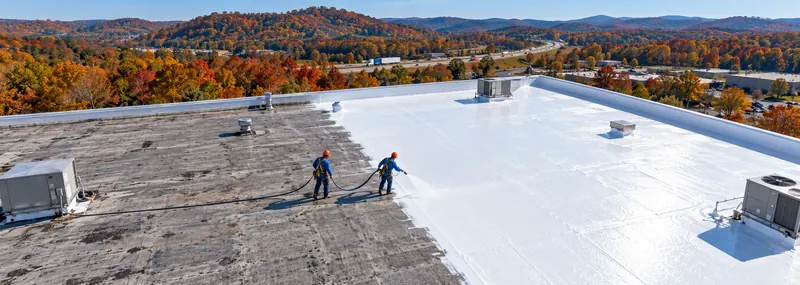
Low shop roofs that hold water at gutter lines get silicone after the screws and laps are sealed and the gutters cleared.
Silicone roof coating →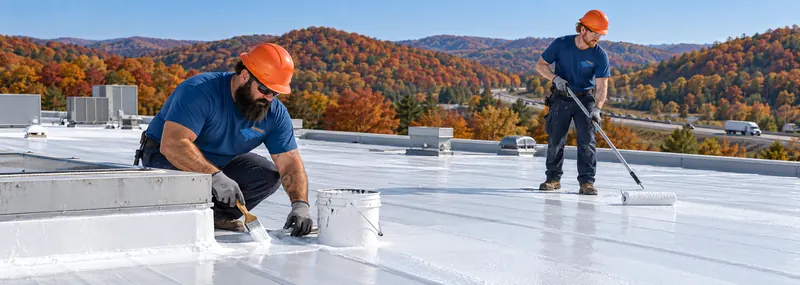
Pitched standing seam roofs get acrylic after the seam ends, ridge closures, and pipe flashings are reinforced.
Acrylic roof coating →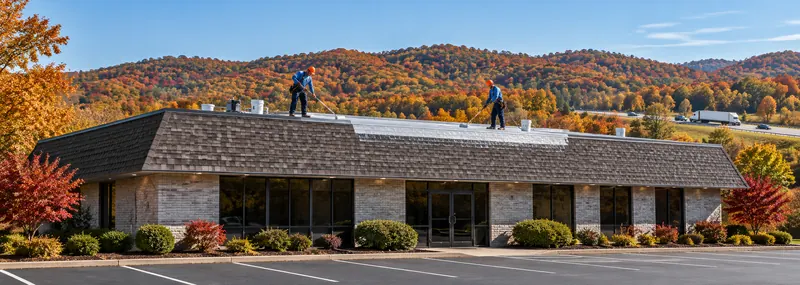
Qualified shingle sections on offices or church buildings get an approved coating after a test area passes.
Shingle roof coating →Get a ballpark range for re-fastening and coating. It takes about two minutes.
Four stages, with each roof type sorted at the start.
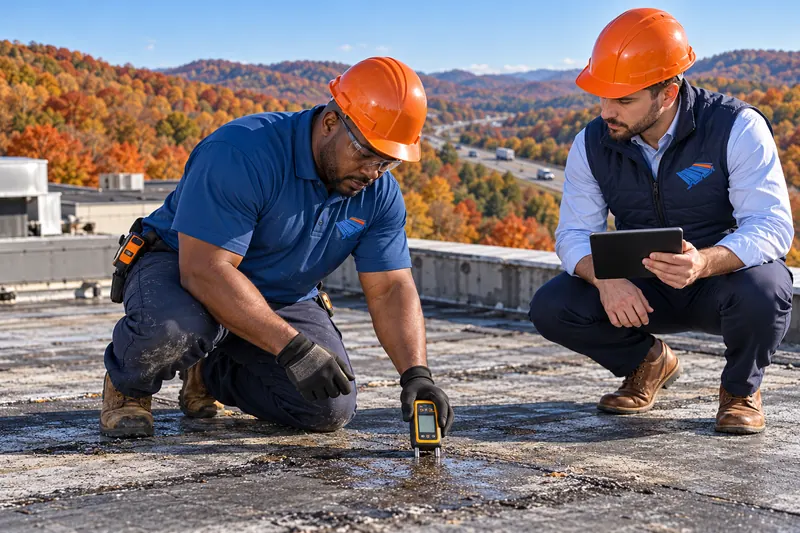
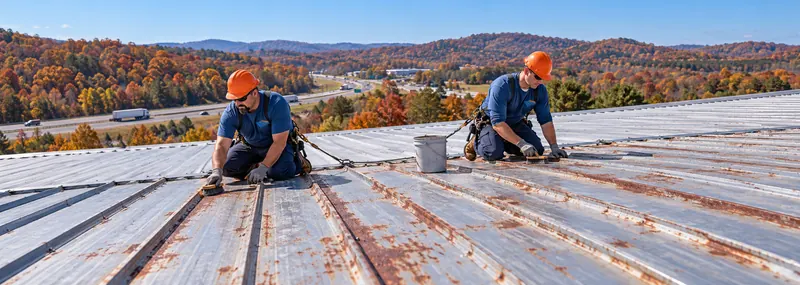
We walk each roof on the property, sort standing seam from screw-down, and check seam ends, screws, laps, ridge caps, and gutters.
The property record shows whether the parcel sits in city limits or the county, which sets the permit office for the roof work.
Standing seam gets seam ends and penetrations reinforced; screw-down roofs get every screw and lap handled.
Each roof gets the system that fits its slope, with thickness checked as it goes on.
Not sure if your town is covered? You can call us or send us a message. We coat commercial metal roofs in Elizabethtown and the towns below.
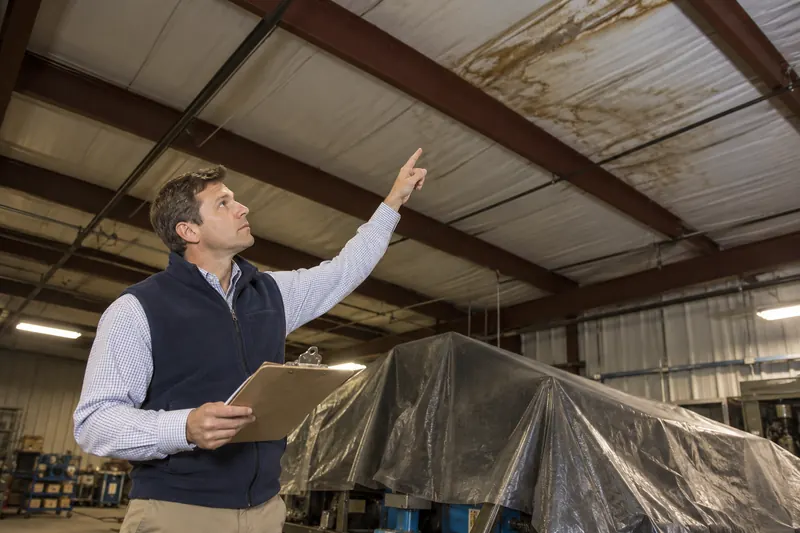
Uninsulated plant roofs where condensation gets sorted from leaks.
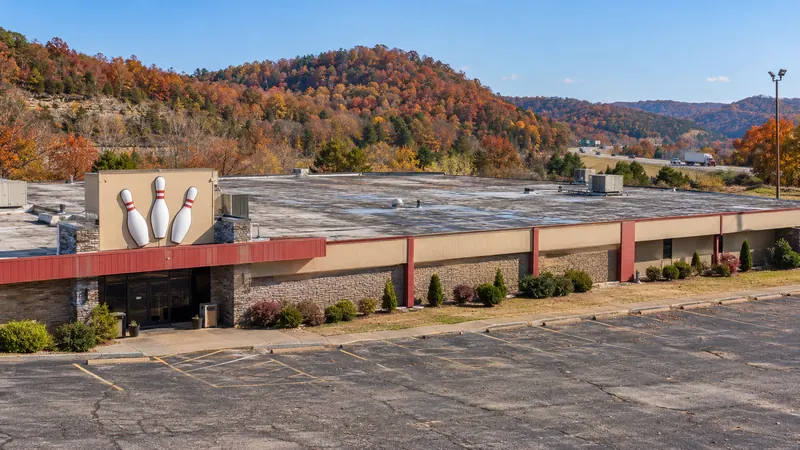
Farm-supply stores and shops with faster rust near fertilizer.
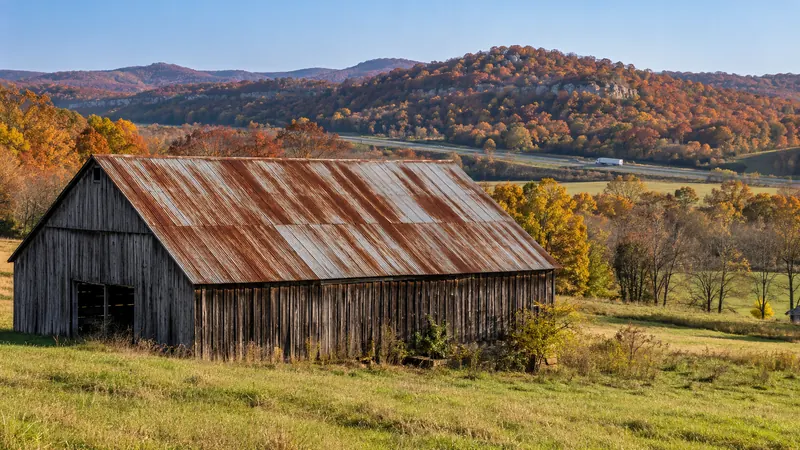
Converted barns on wood purlins with old tar patches.
Answers for Cecilia owners about permits, storms, and roof types.
Standing seam needs less fastener work but close attention at seam ends, ridge closures, and penetrations, since the panels float on hidden clips. Exposed-fastener R-panel roofs need every screw and lap handled, because movement concentrates at screw holes. The coating plan keeps standing seam clips free to move.
Cecilia is a census-designated place with no city government, so roof work there goes to the Hardin County inspector. The mailing address does not decide the office; the parcel location does, and some buildings just southwest of Elizabethtown sit inside city limits. Check the property record first.
Storms crossing open farmland hit shops, farm buildings, and church halls broadside, so loose ridge caps and lifted panel edges come first after a line of storms. Look for screws pulled through at the eave and trim bent back at gables. Lifted edges get re-fastened before any sealing.
Yes. We plan one schedule for the property, with each roof prepped and coated the way its panel type needs.
The National Weather Service in Louisville issues them through its Ekron weather radio transmitter. A weather radio in the shop office tells you when a roof walk is due.
Pitch decides more than panel type. Pitched standing seam roofs usually take acrylic after the seam ends are reinforced, and low screw-down shop roofs that hold water at gutters take silicone. Some properties end up with one system on each building, scheduled in the same visit.
We work around services, events, and parking needs. Noisy prep and spray days go on weekdays, and the entry and parking areas stay clear when the hall is in use. Tell us the weekly schedule during the first call so the work order fits it.
Tell us which buildings are on the property. We sort the roof types and price each one.
Leave a name and number, and we will call to talk through the leaks, rust, or coating question on your building.
Or call (270) 236-5261 now