Qualified Shingles
Approved Shingle Coating
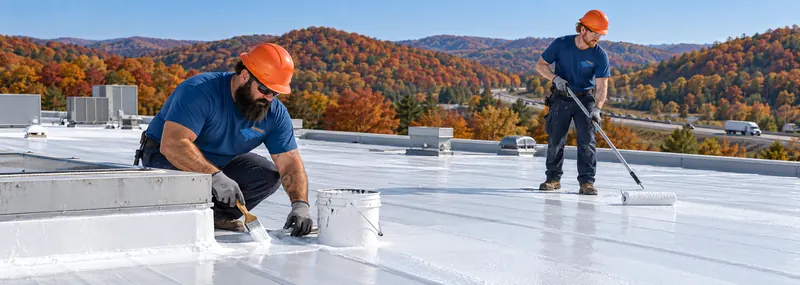
A product the coating maker approves for asphalt shingles goes on after a test area passes. Fabric covers the joints at walls and transitions, and the coating follows the maker data sheet for thickness.

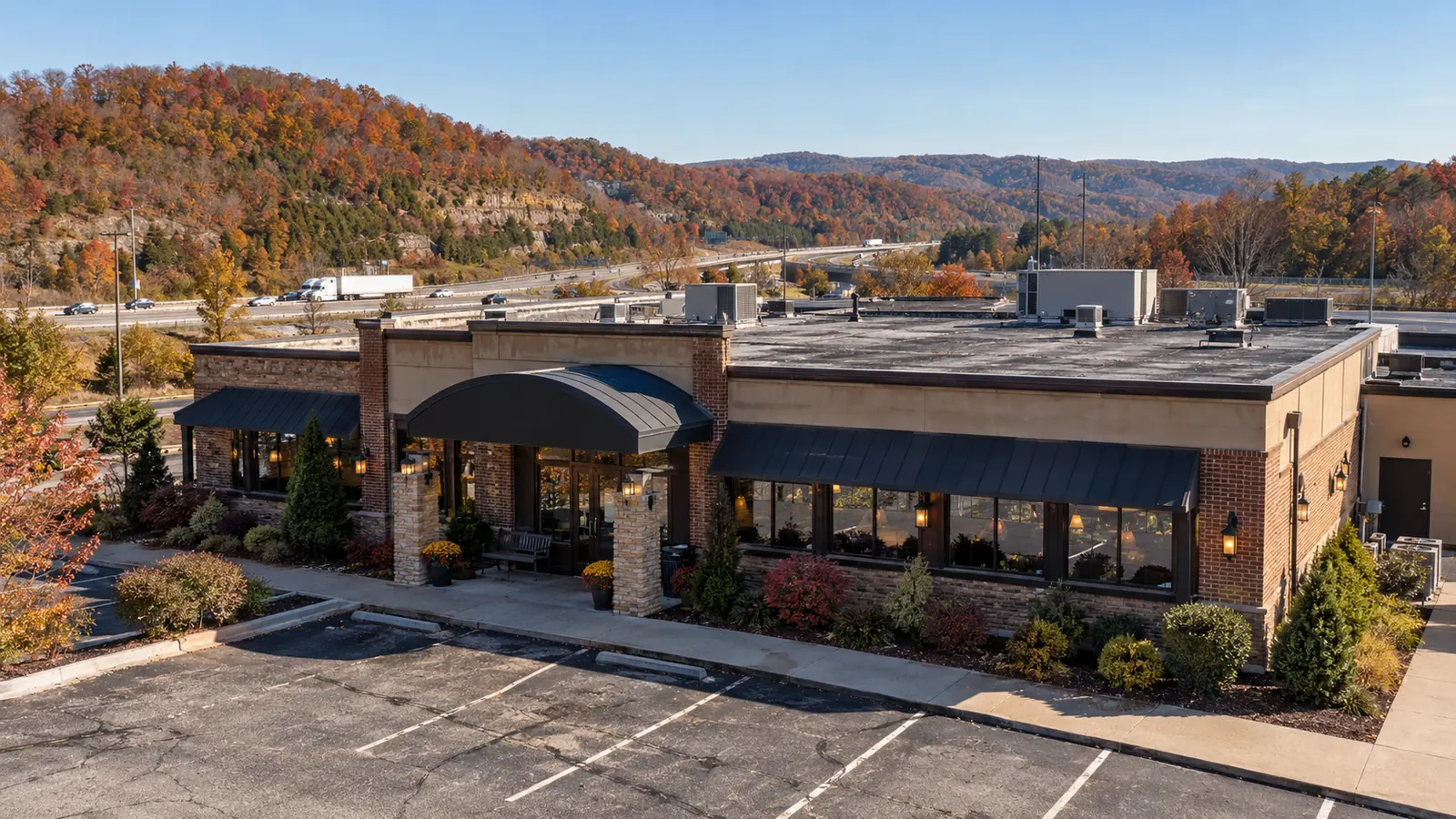
We coat commercial shingle roofs in Elizabethtown when the shingles qualify. We check each course for curl and granule loss first, then test a small area before the full coat.
Shingle roof coating in Elizabethtown has a narrow gate. These conditions decide whether a coating goes on or the section gets reroofed.
| Roof Part | Ready To Coat | Fix First |
|---|---|---|
| Shingles | Lying flat, tabs intact | Curled, cracked, or missing tabs mean replacement |
| Granules | Still on the shingle surface | Bare mat showing means replacement |
| Product | Coating maker approves it for shingles | Without approval, we skip coating |
| Deck | Firm when walked | Soft spots get repaired first |
| Flashing | Present at walls and curbs | Missing flashing gets installed first |
Strip centers, offices, and churches often carry shingle sections beside metal or flat roofs. These are the details that decide the job.
Shingles that curl at the edges or crack across the tabs are past coating. They need replacement.
Bare spots where granules washed off leave the asphalt open to sun. A coating needs granules still on the surface.
Spongy spots underfoot mean rotted sheathing. A coating seals the top, so moisture underneath would stay put.
Poor attic venting traps heat and moisture under the deck. That gets fixed before any coating.
Missing step flashing where a shingle section meets a wall lets water in no matter what is on the shingles.
Where the shingles qualify, a coating goes on in one of these ways. Where they do not, we say so and price a reroof of that section instead, so you can compare both before deciding.
A product the coating maker approves for asphalt shingles goes on after a test area passes. Fabric covers the joints at walls and transitions, and the coating follows the maker data sheet for thickness.
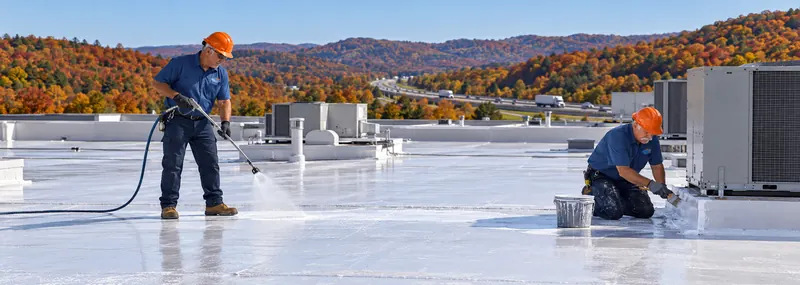
Where a shingle section meets a low or metal roof, water collects in the joint. We set fabric over that transition and coat it with the system used on the adjoining roof.

When shingles fail the gate, that section gets reroofed instead. The coating plan carries on over the metal and flat roof areas that qualify, so the rest of the building still gets done.
These benefits apply only to shingle sections that pass the inspection and the test area, with flashing and vents sealed first.
Flat shingles that still hold their granules stay on the roof instead of being torn off, which keeps a dumpster and a crew of tear-off workers away from the storefront.
A test area and a look at the deck from below come before the full coat, so a weak bond or soft sheathing shows up early, while the fix is still small.
Shingle sections get handled in the same visit as the metal or flat roof next to them, with fabric over the joints where the two roofs meet.
Call us and describe the shingle section and its age. We will tell you what the inspection checks first.
Four stages, with a test area before any full coat.
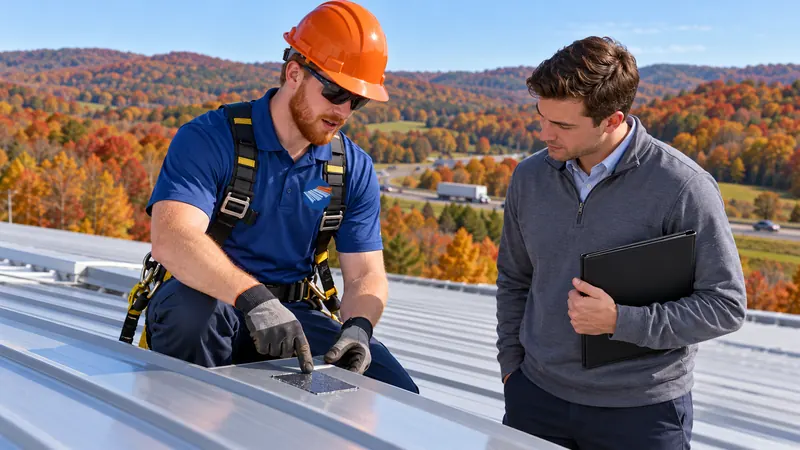
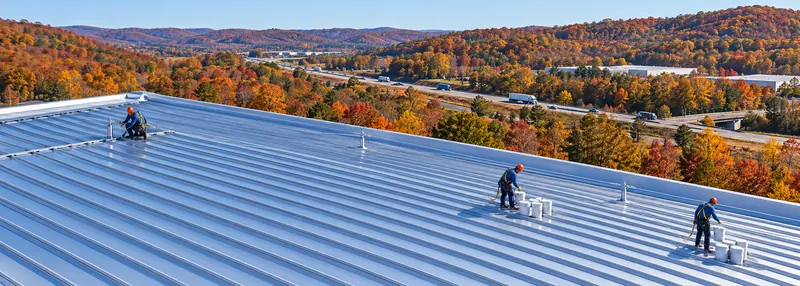
We check the shingles for curl, cracks, and granule loss, walk for soft decking, and look at the attic side of the deck.
Soft decking gets replaced, missing step flashing at walls gets installed, and attic venting gets corrected before any coating is planned on the shingles.
A small section gets coated with the approved product. Once it cures, we check how it grips the granules and how the finish looks from the street.
The full shingle section gets coated to the data sheet thickness, with fabric at the transitions to metal or flat roofs and around vents.
Most buildings with shingle sections also have metal or flat roofs that need attention.
Metal sections on the same building get full screw and lap prep under this system.
Metal Roof Coating in Elizabethtown →Bright white coating for pitched sections that drain fast.
Acrylic Roof Coating in Elizabethtown →For flat or low sections beside the shingles where water sits.
Silicone Roof Coating in Elizabethtown →Answers about which shingle roofs qualify and what happens when they do not.
Some can, if the shingles lie flat, keep their granules, and the coating maker approves the product for asphalt shingles. Curled, cracked, or tabless shingles are past coating. Soft decking, missing wall flashing, and venting problems get fixed first, then a test area comes before the full coat.
That section gets reroofed instead of coated. We tell you which parts fail and why, and the coating plan continues on the metal or flat roof areas that qualify.
A coating seals the shingle surface, so moisture trapped below stays there. Poor venting traps heat and damp under the deck, which rots sheathing over time.
No, we work on commercial buildings only: strip centers, offices, churches, and similar properties with shingle sections.
It needs the product cure time from the data sheet plus a check of how it grips. We schedule it ahead of the full coat so results are in before the main work.
Strip centers with mansard fronts, office buildings with steep entry roofs, and churches with shingled sanctuaries and canopies are the usual ones. Most of them also carry metal or flat roofs behind the shingles. We look at every section during one walk and plan the coating, repairs, or reroofing for each part of the building.
An approved shingle coating covers the granules with a uniform finish, often white or a light color. On a street-facing mansard, that change in look is worth deciding on before the test area goes on.
Tell us about the building and its shingle sections. We check them honestly and plan the rest of the roof.
Leave a name and number, and we will call to talk through the leaks, rust, or coating question on your building.
Or call (270) 236-5261 now