Uninsulated Shops
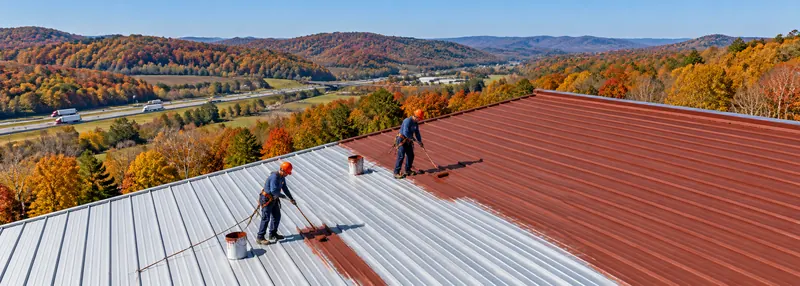
Foam Over Exposed-Fastener Metal
Ribs get filled and the surface built up, with screws and laps buried under the foam and a coating on top for UV cover. Gutters and trim get re-detailed for the new height.

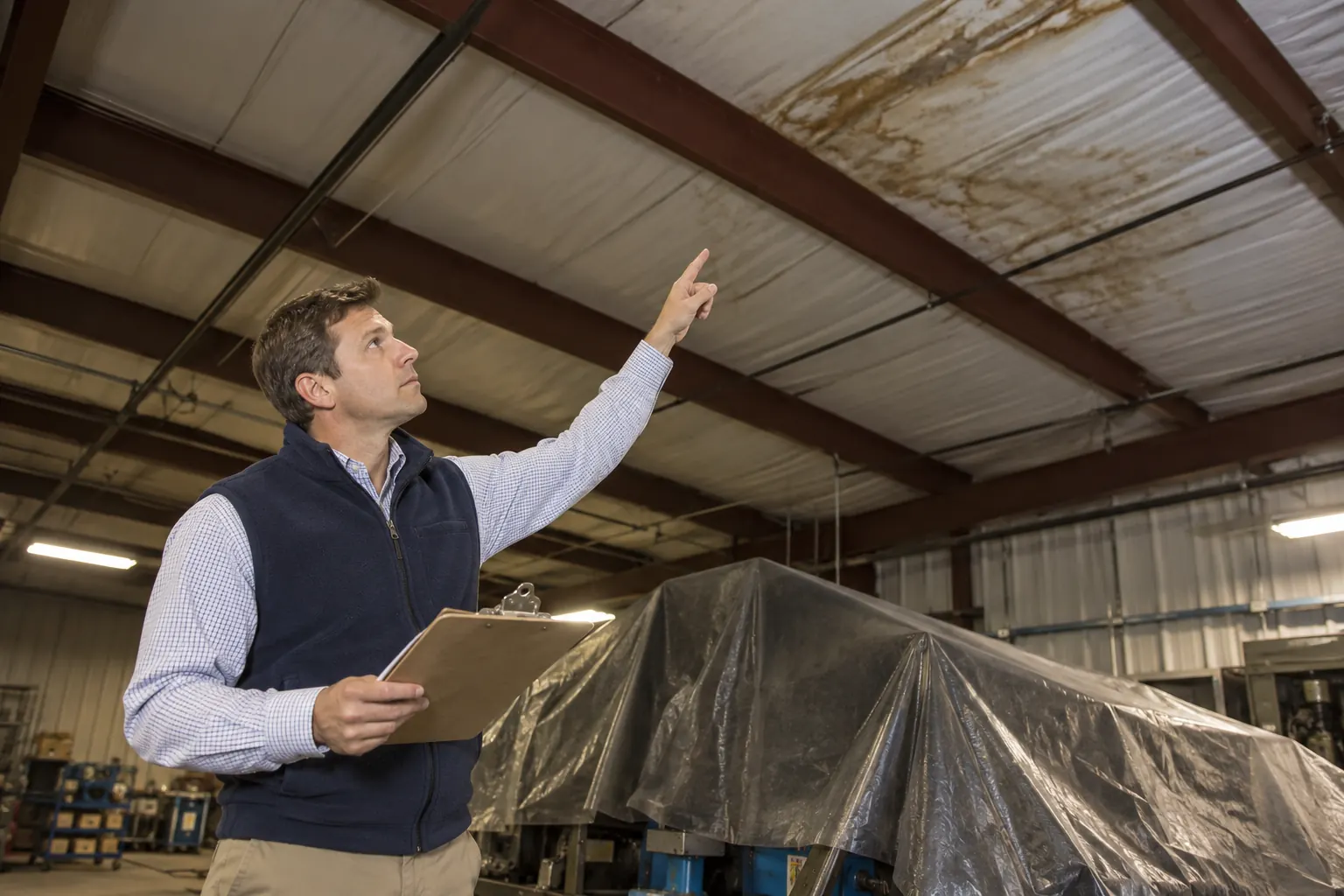
We install spray foam roofing in Elizabethtown over metal buildings that drip, bake, or leak. We trace each drip from inside first, then spray closed-cell foam over the panels.
Spray foam roofing in Elizabethtown suits metal buildings with little or no insulation. The table sorts what foam can go over and what gets fixed first.
| Roof Part | Ready To Coat | Fix First |
|---|---|---|
| Panels | Attached, with leaks at screws and laps | Loose or rusted-through panels get fastened or replaced |
| Insulation | None, or thin and dry | Wet insulation gets removed first |
| Moisture | Dry steel at spray time | Wet panels wait for a dry day |
| Edges | Room to raise gutters and trim | Tight clearances get new edge metal |
| Air Intakes | Can be closed or covered | Units get scheduled off during spraying |
Foam is about more than leaks. These conditions inside and on top of the building point toward foam instead of a coating alone.
Water drops from the underside of bare panels on cool, humid mornings with no rain. That is condensation, and an insulating layer on top keeps the steel warmer.
Uninsulated steel bakes the space below by afternoon. Foam adds insulation that a coating alone does not.
Sealing every screw one by one is slow on a big roof. Foam buries them all under one continuous layer.
Drafts at panel laps and ridge closures cost heat in winter. Foam closes those gaps as it expands.
Foam raises the roof surface, so gutters, drip edges, and ridge caps need new details sized for the added thickness.
Foam goes on in different ways depending on the building and how much insulation it needs.
Ribs get filled and the surface built up, with screws and laps buried under the foam and a coating on top for UV cover. Gutters and trim get re-detailed for the new height.
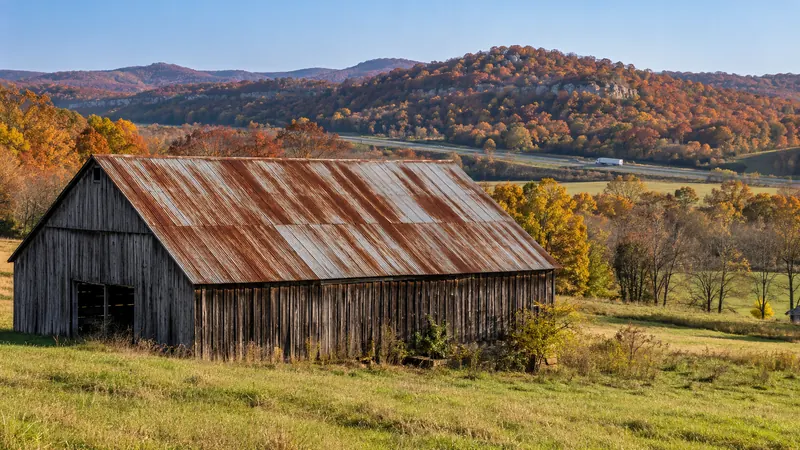
Barns now heated as shops get foam over their panels once loose sheets are fastened into firm framing, which also cuts the drafts at laps and the ridge.
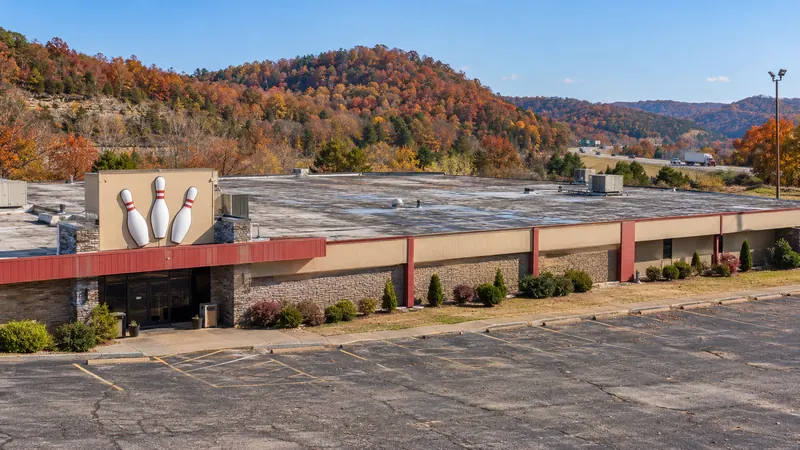
Flat sections get foam built up to move water toward drains, then a silicone or acrylic topcoat matched to how fast the roof drains.
Foam earns its cost on uninsulated metal buildings. These benefits assume the steel is dry and fastened down.
The DOE spray foam guide lists closed-cell foam at about R-6 per inch, which a coating alone does not add.
Hundreds of screws and laps sit under one continuous foam layer instead of being sealed one at a time.
Steel kept warmer by foam drips less on cool, humid mornings inside the building.
Foam closes air leaks at panel laps and ridge closures as it expands into the gaps.
Call us and describe when the drips happen and how hot it gets inside. That sorts condensation from leaks.
Four stages, with the building protected from overspray before any foam goes on.

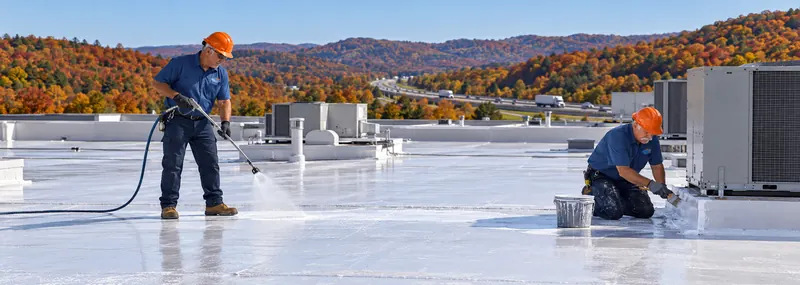
We check panels, screws, and laps, look underneath for wet insulation and rusty purlins, and measure edges where the roof surface will rise.
Loose panels get fastened, wet insulation comes out, and air intakes, vehicles, and walls nearby get covered or moved before spraying.
Closed-cell foam goes on dry steel in passes to the planned thickness, filling ribs and burying screws and laps.
A coating goes over the foam for UV cover, and gutters, drip edges, and ridge caps get new details sized to the thicker roof.
Not every building needs insulation. These systems handle leaks when the inside is already comfortable.
For insulated buildings that only need the screws and laps sealed and the panels coated.
Metal Roof Coating in Elizabethtown →A topcoat for foam on flat sections that hold water.
Silicone Roof Coating in Elizabethtown →A bright white topcoat for foam on pitched sections that drain fast.
Acrylic Roof Coating in Elizabethtown →Answers about insulation, overspray, and how foam compares with a coating alone.
Foam plus coating suits uninsulated metal buildings that sweat, bake, or leak at hundreds of screws. Coating alone suits insulated buildings that only need waterproofing. Foam fills the ribs and buries screws and laps, while edges, gutters, and ridge caps get re-detailed for the added thickness.
Both, and most jobs use each. Spraying covers big panel runs fast and gets into R-panel corrugations evenly, while rollers and brushes handle laps, screws, and edges and work better near parking lots and on windy days. Film thickness gets gauged as we go so ribs and valleys come out even.
On cooled buildings with little insulation, yes. White coatings keep panels cooler in summer sun, and the DOE Guide to Cool Roofs explains solar reflectance and thermal emittance. An unheated barn gains less, and a reflective roof gives up a little solar warmth in winter.
We cover or close air intakes, ask for vehicles to move from the downwind side, and watch wind speed before spraying. Rollers and brushes take over near lots and neighboring buildings.
Yes, and the edges get planned around it. Gutters, drip edges, and ridge caps get new details sized to the added thickness so water still leaves the roof cleanly.
Units get shut down and their intakes covered during spraying, and curbs get flashed to the new foam height. If a curb sits too low once the roof rises, it gets raised so water cannot back up against the unit. Any service mast or meter base on the roof gets coordinated with the utility.
The thickness follows the insulation the building needs and the slope the flat sections need to drain. Closed-cell foam rates about R-6 per inch in the DOE guide, so the plan sets inches from the target, then adds the coating on top.
Tell us whether the roof leaks, sweats, or bakes. We look at both sides of the panels and price foam against a coating alone.
Leave a name and number, and we will call to talk through the leaks, rust, or coating question on your building.
Or call (270) 236-5261 now